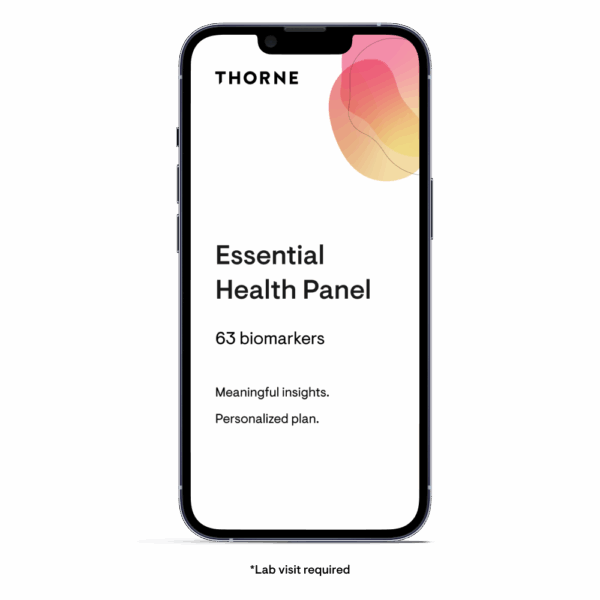
It is extremely difficult to determine your health and wellness merely by how you look or feel. Yearly bloodwork helps you establish a time-stamped baseline that can be tracked throughout a lifetime and optimized at every stage of life, including before, during, and after symptoms begin, or while managing a chronic disease. The Essential Health Panel is more comprehensive than the average annual physical’s bloodwork and will provide an in-depth analysis of your metabolism, inflammation levels, hormone balance, and nutrient status, and how your diet, exercise, and daily habits affect your bodily systems and organs.
Thorne’s Essential Health Panel was designed by a group of medical doctors, researchers, naturopathic physicians, and dietitians to analyze the most clinically relevant biomarkers that support whole-body health and wellness and includes a selection of key biomarkers from our Advanced Health Panel. The biomarkers tested span the entire body but the results are presented in groups for easy reading and understanding. The test results provide easy-to-follow practical lifestyle, diet, and supplement recommendations that support optimizing the biomarkers that are out of range and helping you reach your wellness goals. When a person’s body is operating as it should, they will have more energy, a better mood, improved sleep, healthy immune function, normal brain function, and generally be more productive.
Why are These Biomarkers Important?
Muscle Performance
Whether a person is an athlete, a parent, or an aging adult, muscular health plays a role in strength, stamina, endurance, sleep, and risk for injury or illness. Musculoskeletal health is an important system to consider even in younger years because bones and muscles are closely linked in health and wellness, and their density and composition generally decline with age. A surprising number of blood biomarkers that play a role in bone and muscle function are included in this test:
- Vitamin D
- Total testosterone
- RBC magnesium
- SHBG
- Creatinine
- DHEA-S
- Albumin
- Total protein
Overall Health and Wellness
Immune function needs to be working efficiently to resist the toxins and pathogens encountered daily. Similarly, red blood cells must perform daily to carry oxygen to every muscle, tissue, and organ in the body. Health and wellness relies on many biomarkers that, if out of range, might not produce symptoms that would alert you they are not functioning normally, so it is important to monitor these regularly:
- RBCs
- WBCs
- Eosinophils
- Monocytes
- Basophils
- Leukocytes
- Hemoglobin
- Hematocrit
Macronutrient Metabolism
Some biomarkers measure how well you are metabolizing the food you eat. Lipid levels, blood sugar metabolism markers, and protein status are a direct reflection of your diet and metabolism and are assessed by these biomarkers:
- Lipids
- HbA1c
- Glucose
- Total protein
- Creatinine
Injury Risk
Every athletic endeavor potentially puts the participant at risk for injury, like overuse injuries, aches, pains, and accidents. Athletes who participate in contact sports have the highest risk. But a person needn’t be an athlete to want to reduce their risk of getting injured while going about their daily activities. Minimizing inflammation, supporting bone and muscle health, and optimizing hormone levels is a great place to start:
- TSH
- HS-CRP
- Cortisol
- RBC magnesium
- Vitamin D
- WBCs
Risk for Chronic Disease
Age is a primary risk factor for multiple chronic diseases: dementia, heart disease, type 2 diabetes, arthritis, cancer, and more. Chronic disease is the leading driver of illness, disability, death, and health care costs. Learn early which biomarkers you can monitor and what you can do to modify them if they are out of range to decrease your risk for chronic disease.
A Deeper Dive into the Biomarkers:
- RBC Magnesium – Muscles, bone, and other tissues store 99 percent of the body’s magnesium, with the other one percent in the serum and red blood cells. When serum magnesium does decrease, like with excessive sweating or increased energy production demands, magnesium is then pulled from tissue storage to maintain the tightly regulated blood magnesium level. This can mean that many effects of low-magnesium such as poor sleep, twitches, muscle weakness, cramps, fatigue, numbness, abnormal heart rhythms, or even seizures might be masked in common blood tests. Therefore, an RBC magnesium blood test provides a better indication of magnesium status than does serum magnesium (the more commonly measured biomarker).
- Cortisol – When it is elevated from mental, physical, or emotional stress, the primary stress hormone cortisol can break down muscle, raise blood sugar, cause excess fat storage, and suppress immune function.
- Lp(a) – Considered to be an independent risk factor for cardiovascular disease and atherosclerosis, Lp(a) is a protein found on LDL “bad” cholesterol. The majority of individuals who have an elevated Lp(a) level are genetically predisposed to increased risk for heart disease, although many menopausal women will see this level rise as their estrogen declines. Measuring the level of Lp(a) helps a person better understand their risk for cardiovascular disease.
- HbA1c – Otherwise known as hemoglobin A1c or glycosylated hemoglobin, this biomarker provides a running 90-day average of blood glucose level as measured by the percentage of the red blood cells that are saturated with sugar. Frequent carbohydrate consumption from meals or snacks, the under-production of insulin, or a sedentary lifestyle can significantly increase this value, which increases a person’s risk for diabetes and insulin resistance.
The Science
Davidson MH, Ballantyne CM, Jacobson TA, et al. Clinical utility of inflammatory markers and advanced lipoprotein testing: advice from an expert panel of lipid specialists. J Clin Lipidol 2011;5(5):338-367.
Promoting Health for Older Adults. Published January 28, 2022. [Accessed May 10, 2022.] https://www.cdc.gov/chronicdisease/resources/publications/factsheets/promoting-health-for-older-adults.htm
CDC. MTHFR Gene, Folic Acid, and Preventing Neural Tube Defects. Centers for Disease Control and Prevention. Published July 7, 2020. [Accessed May 10, 2022.] https://www.cdc.gov/ncbddd/folicacid/mthfr-gene-and-folic-acid.html
Liver Disease Statistics. American Liver Foundation. Published October 26, 2017. [Accessed May 10, 2022.] https://liverfoundation.org/liver-disease-statistics/